

Key takeaways
- Gather the title deed, the leases, the municipal accounts, the zoning and the approved building plans, and proof of who may sign for the seller, before the building is marketed.
- If the building is let, the leases tell bidders who is in it and on what terms, so find every signed lease, addendum and renewal early.
- Transfer can’t be registered without the municipality’s clearance certificate, so start on any dispute about the account before the sale.
- The auction regulations require a written agreement with the auctioneer before anything is sold, and a reserve can’t be set without your express written permission.
- Plan viewings with your tenants, and tell us early what the marketing may say and what must stay confidential.
Before your building is marketed
We sell residential and commercial property as well as movable assets on auction, and our past auctions include offices and industrial property. Here’s what we’d ask you to look at before your building is marketed.
Who signs for the seller
Start here, because everything else depends on it. If you own the building in your own name, it’s you. If a company, close corporation or trust owns it, check with your attorney who has the authority to sign for it, and have that authority in writing before we meet.
If you’re a liquidator, a trustee or an executor, that’s the work of our estate and liquidation auctions: insolvencies, liquidations, and deceased and divorced estates. When you’re selling in that role, the auction regulations say the rules of auction must state that the auctioneer will announce the reason for the auction, unless it’s an owner’s normal voluntary sale. Bidders will hear why the property is being sold, so plan your wording with us.
If the building is let, the leases come first
The leases tell a bidder who is in the building and on what terms, so find them:
- every signed lease, with any addenda and renewals
- a list of tenants and which unit or area each occupies
- deposits or guarantees held for each tenant
- any tenant who is behind, in dispute or on notice
Don’t leave this to the week of the auction. Missing pages, unsigned renewals and verbal arrangements take time to sort out, and they’re better found by you than by a bidder.
How the existing leases affect the sale and the transfer is a legal question for your conveyancer or attorney. Ask them before the auction is advertised, so the conditions of sale say the right thing. Tax on the sale, VAT included, is a question for your tax practitioner.
Municipal accounts and the clearance certificate
Transfer to a buyer can’t be registered without the municipality signing off. Under the Municipal Systems Act, the registrar of deeds may not register the transfer without a certificate from the municipality confirming that rates, service fees and other municipal charges on the property have been paid for the period the Act sets. For a transfer by the trustee of an insolvent estate, that section is subject to the Insolvency Act, so a trustee should check the position with the estate’s attorney.
What this means for you: pull the latest municipal statements now. If there’s a dispute about the account, an estimated meter reading or a charge you don’t recognise, start on it before the sale, and tell us and your conveyancer about it.
Zoning and approved plans
Zoning decides what your building may lawfully be used for. Under the Spatial Planning and Land Use Management Act, land may be used only for the purposes the municipality’s land use scheme (or its older town planning scheme) permits, and a change of use needs the municipality’s approval, through its Municipal Planning Tribunal or an official it has authorised. Ask the municipality to confirm the zoning of your property, and check that it covers what happens there today.
Plans matter for the same reason. The National Building Regulations and Building Standards Act says no one may put up a building that needs plans without the local authority’s prior written approval. If you’ve added a mezzanine, a canopy, a spray bay or extra offices, find the approved plans for each. If something was built without them, raise it with us and your conveyancer early.
Viewings with tenants in place
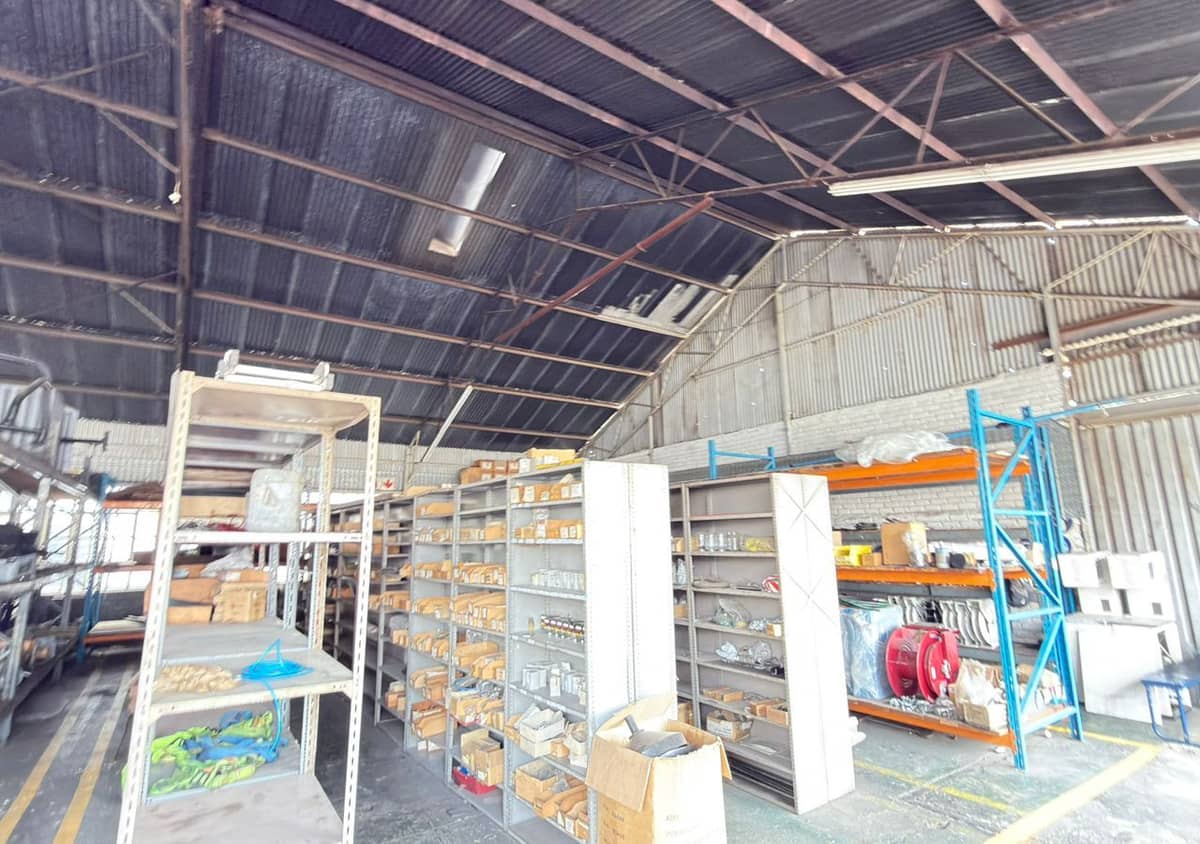
The regulations require the auctioneer to give bidders a reasonable time and opportunity to inspect what’s on offer before the auction, and they let the auctioneer require security measures that are reasonable in the circumstances. On a let building, that takes planning. Read what each lease says about access, and tell your tenants early. Then agree with us which areas bidders may see and when, and how the viewing notes on the auction’s page should read, for example “viewings by appointment only”.
If there are areas bidders can’t enter, such as a tenant’s secure store, tell us before the info pack is written, so it says so plainly.
The written agreement with us
The auction regulations don’t let an auctioneer sell anything until there’s a written agreement with the owner, or with whoever has the right to sell. That agreement has to set out, at the least:
- your name and address, or your agent’s
- the auction date, or the date the agreement ends
- where the auction will be held
- the rules of auction
- a description of all the fees, or how they’ll be worked out
- how the auction will be settled
- whether the auction is without reserve
- a description of what’s being sold
Before you sign, the regulations require the auctioneer to give you an estimate of the total cost of the auction. A reserve price can’t be set without your express written permission. And under the Consumer Protection Act, bidders must be told in advance if the sale is subject to a reserve, or to a right to bid by or for the owner or auctioneer.
How the sale runs from there
Our selling process follows the same order whatever the building:
- Consultation and appraisal.
- Documentation and the reserve: we gather and verify the paperwork above, confirm you’re entitled to sell, and agree the reserve with you in writing.
- Preparation: professional photography and a written catalogue entry.
- Marketing.
- The auction itself.
- Transfer and reporting afterwards.
Some of our auctions run online, some on site and some both, and each listing on our upcoming auctions page says which, and where.
For property, our auction pages often publish the info pack, the rules of auction and the offer to purchase, and the rules of auction for any of our auctions are also available on request. The regulations require the rules of auction to be in writing and public before the auction, and all advertising of an auction must be accurate. That’s why the papers you hand over matter: what bidders read about your building comes from them.
Will my tenants and my business be exposed?
It’s a fair worry when there’s a workforce or a tenant base involved. The regulations require an auctioneer to keep a professional, confidential relationship with the client, to follow the owner’s lawful and reasonable requests, and to tell you, the seller, of any risks they know of, or ought reasonably to know of, in auctioning that property. After the auction, unless agreed otherwise, you get an itemised account of what sold. So tell us early what can be said in the marketing and what can’t, who knows about the sale, and what you need kept quiet until the auction is advertised.
This is general information, not legal or tax advice on your building. For your own leases, transfer and tax, speak to your conveyancer, attorney or tax practitioner.
When your papers are coming together, tell us about your building on our selling page and we’ll take you through an appraisal of it and how its auction would run.