
Key takeaways
- If the building is let, the tenants come with it. On our property auctions, existing leases are disclosed in the catalogue and the conditions of sale, and the buyer takes transfer subject to them.
- Read every lease as the landlord you’d become, including any option to renew, right of first refusal or option to buy, and ask your attorney what binds you.
- Land may be used only for what its zoning permits, and a change of use needs a Municipal Planning Tribunal’s approval, so confirm the zoning fits your plans before you bid.
- A property sale carries VAT or transfer duty, never both. Check whether the lot is sold plus VAT, and whether that auction charges a buyer’s commission.
- Bidding for a company? Bring a letter of authority on the company’s letterhead with a certified copy of the resolution, and both of you must meet the FICA identity checks.
What you’re buying: the building, and maybe its tenants
Start by working out whether the building comes empty or with people in it. The auction’s page and its conditions of sale tell you. On our property auctions, existing leases are disclosed in the catalogue and the conditions of sale, and you take transfer subject to them.
That’s the law as well as our practice. The Supreme Court of Appeal has called it settled that whoever takes over leased property is bound to recognise the lease, and that the buyer takes the seller’s place as landlord. So if you win, the tenants come with the building, on the terms they’ve already signed. If you need the building empty, look for a lot sold with vacant occupation and read what its conditions of sale say.
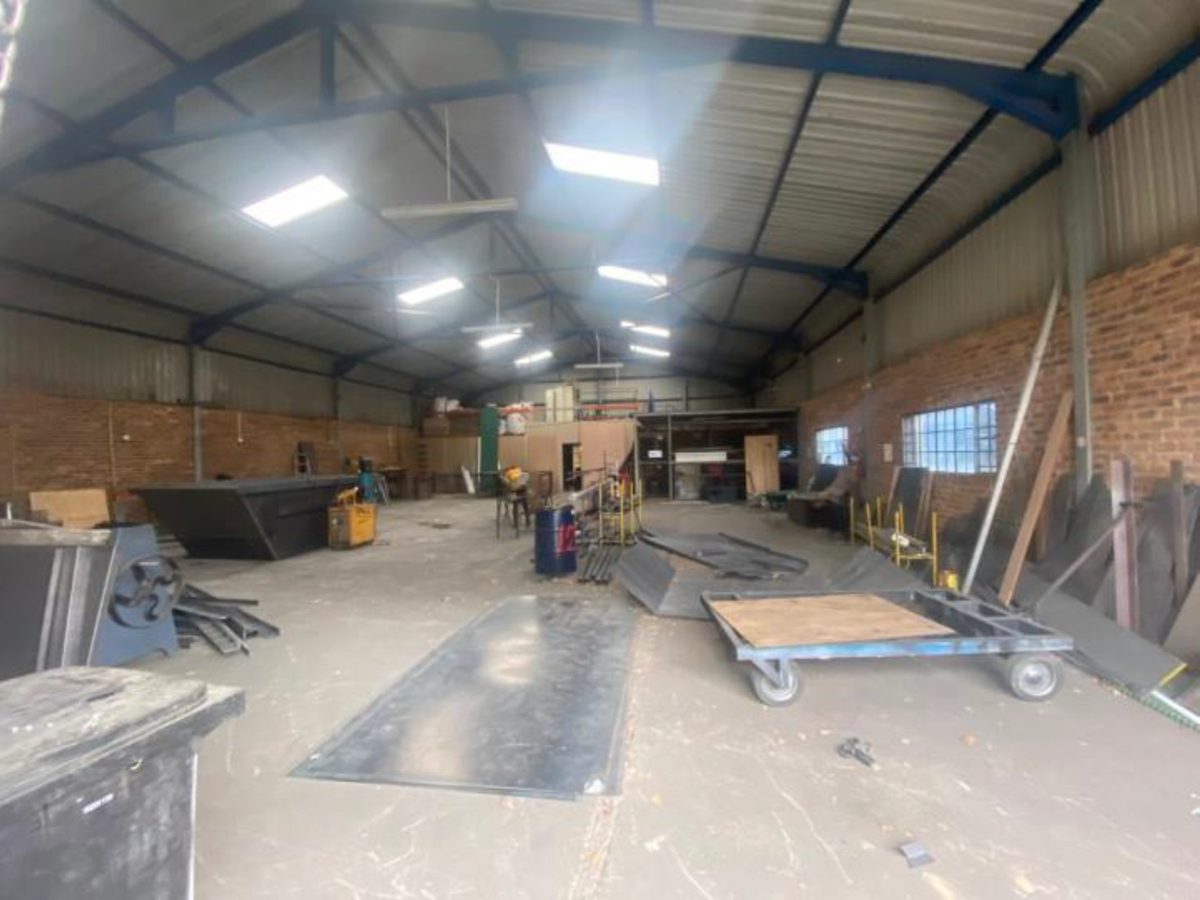
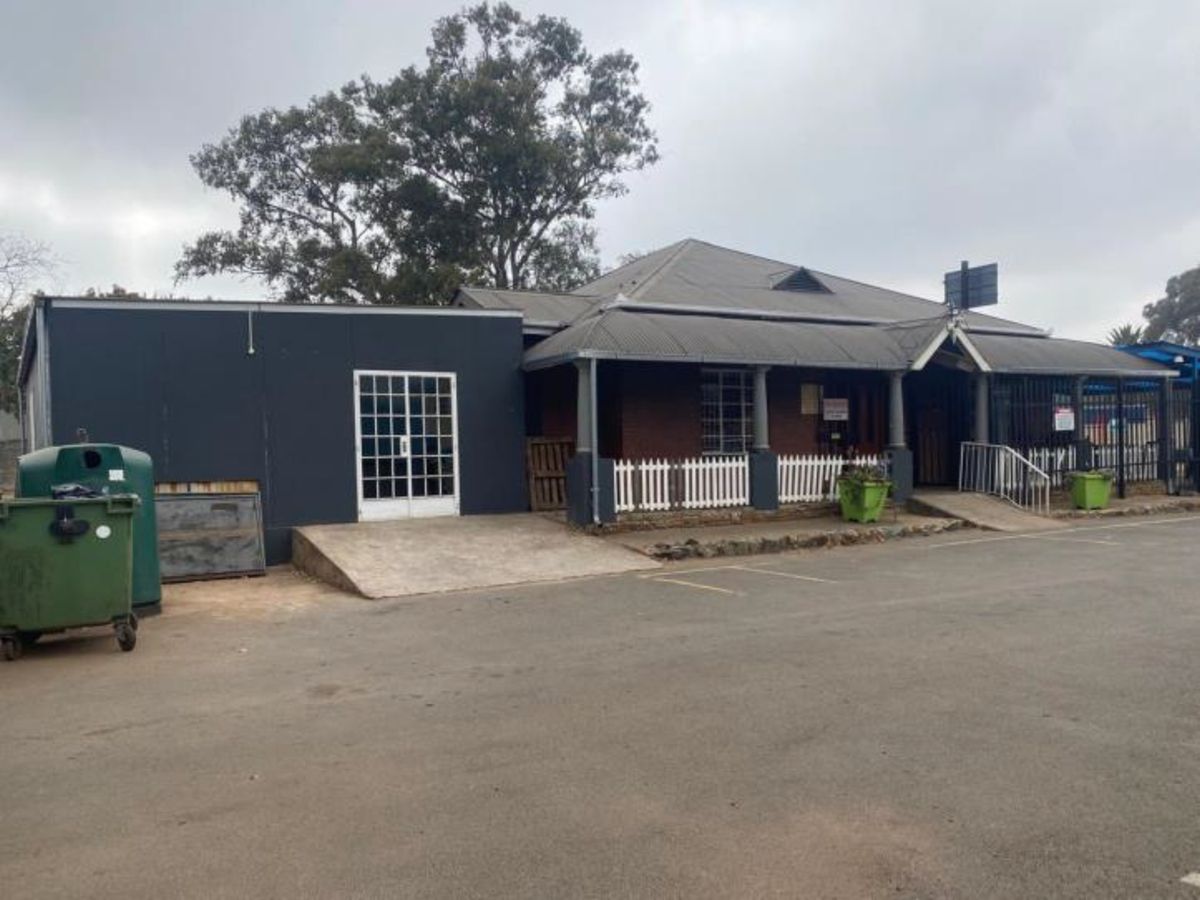
We auction offices, retail, warehousing and light industrial premises, tenanted or vacant, as part of our property auctions. Our past auctions include an office block, industrial properties and a property let to business tenants.
Read every lease as the landlord you’d be
The leases tell you what you’re taking on, so ask for all of them, not a summary. Look for:
- every signed lease, with its addenda and renewals
- which tenant occupies which unit or area
- the rent, the lease term and how either side can end it
- deposits or guarantees the seller holds for each tenant, and how they’ll reach you
- any tenant who is behind, in dispute or on notice
- what the leases make the landlord responsible for, such as repairs or the common areas
Watch for extras inside a lease: an option to renew, a right of first refusal, or an option to buy the property. Whether those bind a new owner isn’t always simple. In that same judgment, the court said the precise scope of that rule, the one that makes a buyer recognise the lease, has never been clearly defined, and the case itself turned on whether a tenant’s option to buy part of the property bound the new owner. Take any lease like that to your attorney before you bid.
If a lease, the tenant list or the deposit details aren’t in the info pack, ask us before you register, not after the hammer.
Zoning and plans: can you use it the way you plan to?
What a building is used for today doesn’t prove what it may lawfully be used for. Under the Spatial Planning and Land Use Management Act, land may be used only for the purposes its land use scheme (or an older town planning scheme) permits, and a permitted use can be changed with the approval of a Municipal Planning Tribunal. If you mean to run a workshop where there were offices, or open a shop in a warehouse, ask the municipality to confirm the zoning before you bid. If it doesn’t fit, talk to a town planner before auction day.
Then the plans. The National Building Regulations and Building Standards Act says no one may put up a building that needs plans without the local authority’s prior written approval. Commercial buildings pick up additions over the years: a mezzanine, a canopy, extra offices, a wash bay. Ask for the approved plans and compare them with what you see on viewing day.
This matters more on auction, because what we sell on auction is sold as it stands. Our voetstoots guide explains how the Supreme Court of Appeal has treated missing building approvals in a voetstoots sale.
Viewing a building with tenants in it
You’re entitled to look before you bid. The auction regulations require the auctioneer to give bidders a reasonable time and opportunity to inspect what’s on offer before the auction, with no fee for it, and the rules of auction can’t exclude that right. The auctioneer may ask you to follow security measures that are reasonable in the circumstances, which is what you’d expect on a working site.
On a let building, viewing takes arranging, because someone else is using it. Check the viewing notes on the auction’s page: usually set viewing times or a viewing by appointment. Some property auctions note that viewing isn’t possible, or that vacant occupation can’t be guaranteed. If the lot you want says that, ask us what can be seen before you register.
When you’re there, look hardest at what’s costly to put right: the roof sheeting and gutters, the electrical supply and distribution boards, the roller doors, and access for deliveries and parking. Ask which areas belong to which tenant, and whether any part of the building is off limits on the day.
VAT or transfer duty, and what comes on top of your bid
A property sale attracts either VAT or transfer duty, never both. SARS puts it plainly: if the seller is a registered VAT vendor and the property forms part of its enterprise, VAT is payable; otherwise it’s transfer duty. On a commercial building the answer depends on who’s selling, so check whether the lot is sold plus VAT before you set your limit. Our transfer duty guide covers both cases. If you’re a VAT vendor buying for your business, ask your accountant whether you can claim the VAT back.
If the building is sold together with the business that runs in it, as a going concern, different VAT rules can apply. Our guide to selling a business as a going concern explains them.
Your bid isn’t the whole cost either. If the auction charges a buyer’s commission, you pay that too if you win, and its conditions of sale say whether there is one and how much. Our auction cost calculator adds the costs of buying on auction to a bid, so you can work back to your limit.
Registering to bid for a company or trust
Decide who is buying before you register. A winning bid is binding at the fall of the hammer, and the conditions of sale are signed there and then.
Every bidder registers before the auction and meets the FICA identity checks, and registering takes a registration deposit that’s refunded if you don’t win. If you’re bidding for someone else, the auction regulations require a letter of authority that expressly authorises you to bid for them, and you both have to meet the same identity requirements. For a company, that letter must be on the company’s letterhead, with a certified copy of the resolution authorising you.
Our buying page lists what to bring: for a company, its registration documents and a resolution authorising you to bid; for someone else, a signed power of attorney. If you’re not sure which document fits your case, ask us before the day. Registering and bidding online covers the same steps in our online auction room. Buying through a trust? Ask us what we need from the trustees well before the day, and check with your attorney who may sign for the trust.
After the hammer: the balance, clearance and the keys
The conditions of sale set the clock. When the hammer falls, you sign them and pay the deposit on the price there and then. The balance is payable within the period they set out, so if you’re using a bond, have pre-approval in place and read buying on auction with a bond before you register. Whether a sale is subject to the seller’s confirmation is set out in the conditions of sale for that auction, so read that clause before you bid.
Find the clause on municipal arrears too. Under the Municipal Systems Act, transfer can’t be registered without the municipality’s clearance certificate, and if the conditions of sale make you liable for arrears needed for clearance, you owe them under the contract. Check the occupation date and when risk passes as well, so the building is insured from the right day. What happens after you win takes you through it in order.
Before you register
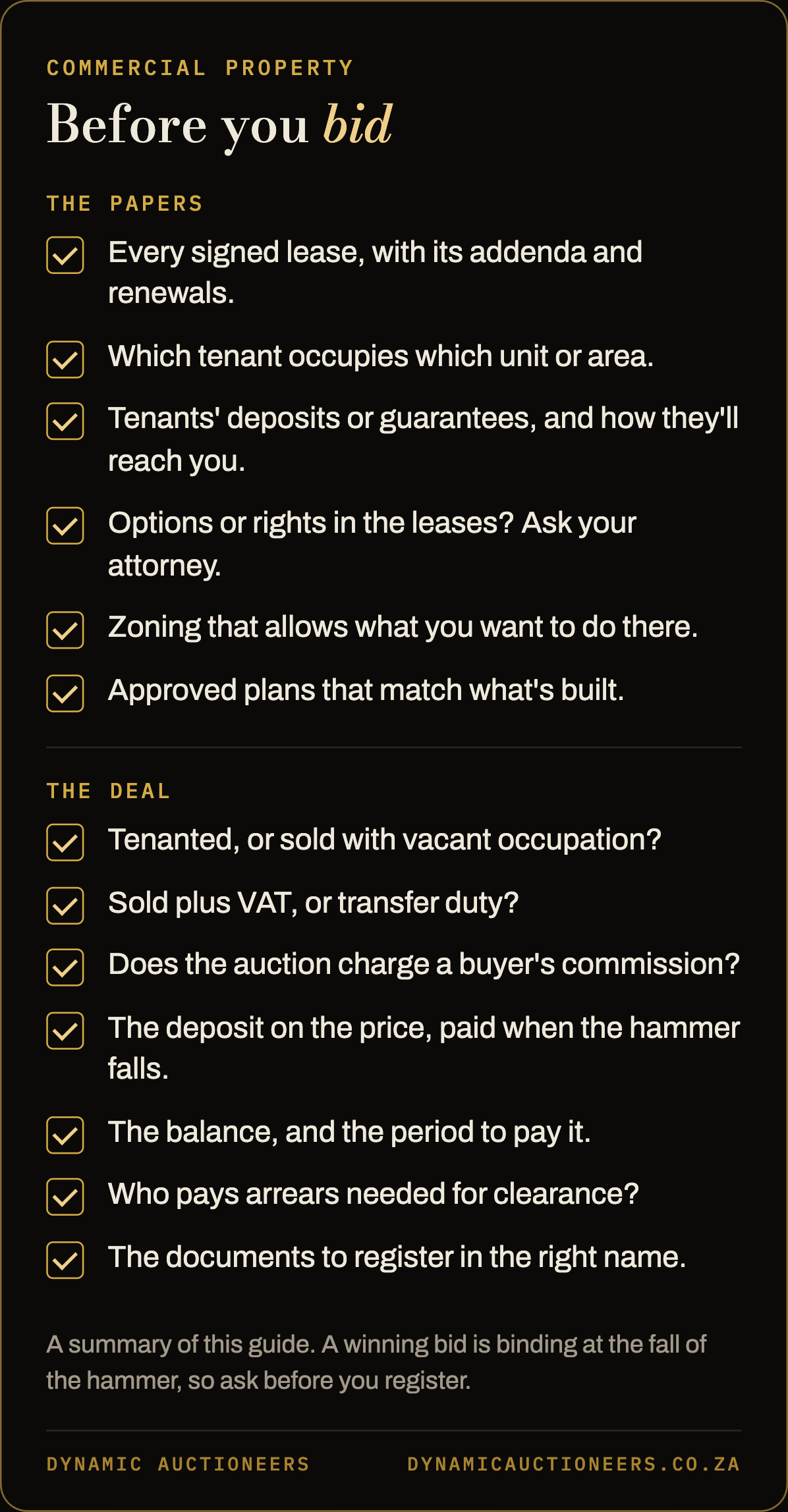
Here’s the short list to work through for any commercial lot.
This is general information, not legal or tax advice on any building. For a specific lease, transfer or tax question, speak to your attorney, conveyancer or accountant.
When a commercial lot on our upcoming auctions page catches your eye, open its info pack and conditions of sale first, then ask us anything they don’t answer before you register.